Know which lot went to which customer, and see each crop's numbers while the season is running.
Growers, packers and small food makers carry a lot of risk on paper: lot numbers chalked on crates, best-before dates checked by eye, recipes in a binder and the season's profit worked out once the money has already run short. A recall then means pulling every delivery note by hand. As an Odoo partner, we set the software up so every receipt, batch and delivery carries its lot and its dates, recipes are bills of materials with real costs, and the season is tracked crop by crop as the invoices and bills come in.
- Lot and expiry dates on every receipt, batch and delivery
- A recall answered from one lot number
- Cost and revenue per crop as the season runs
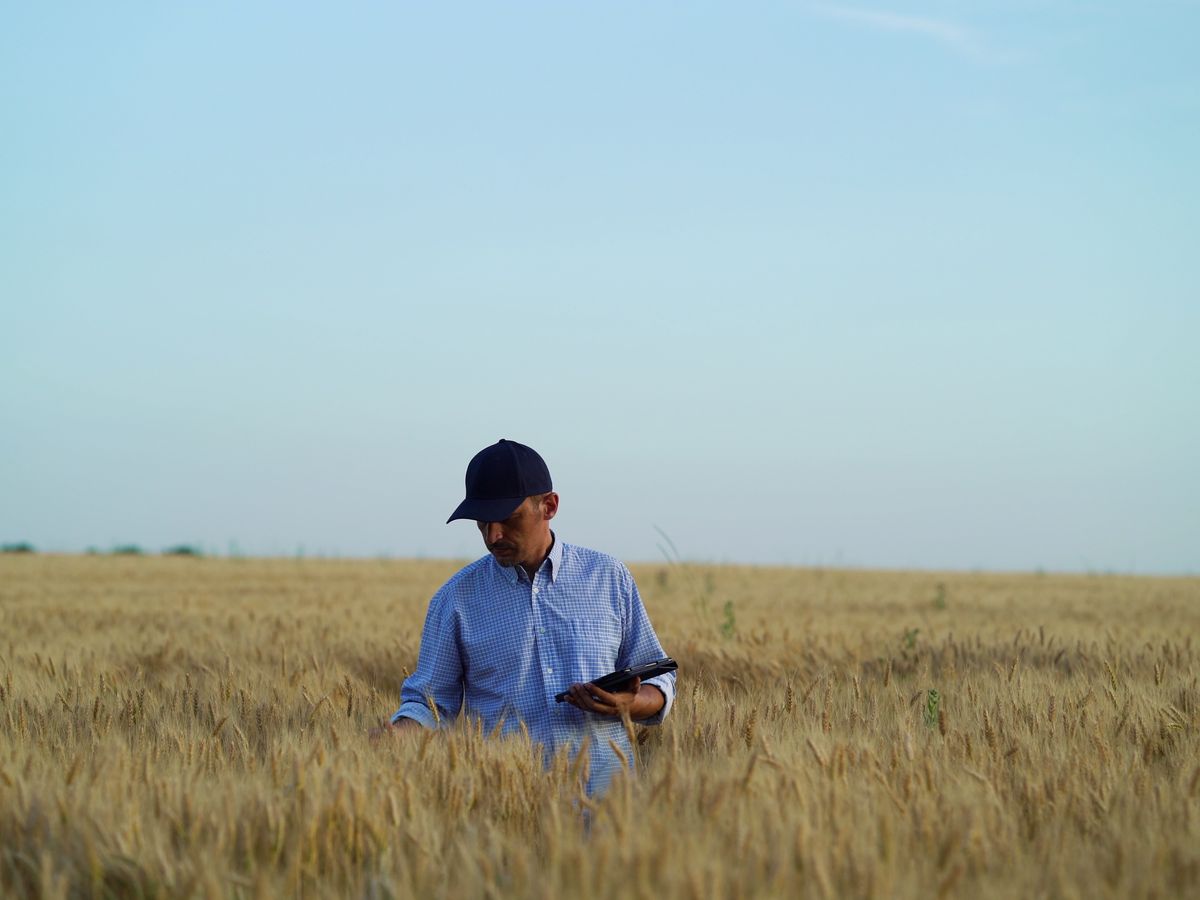
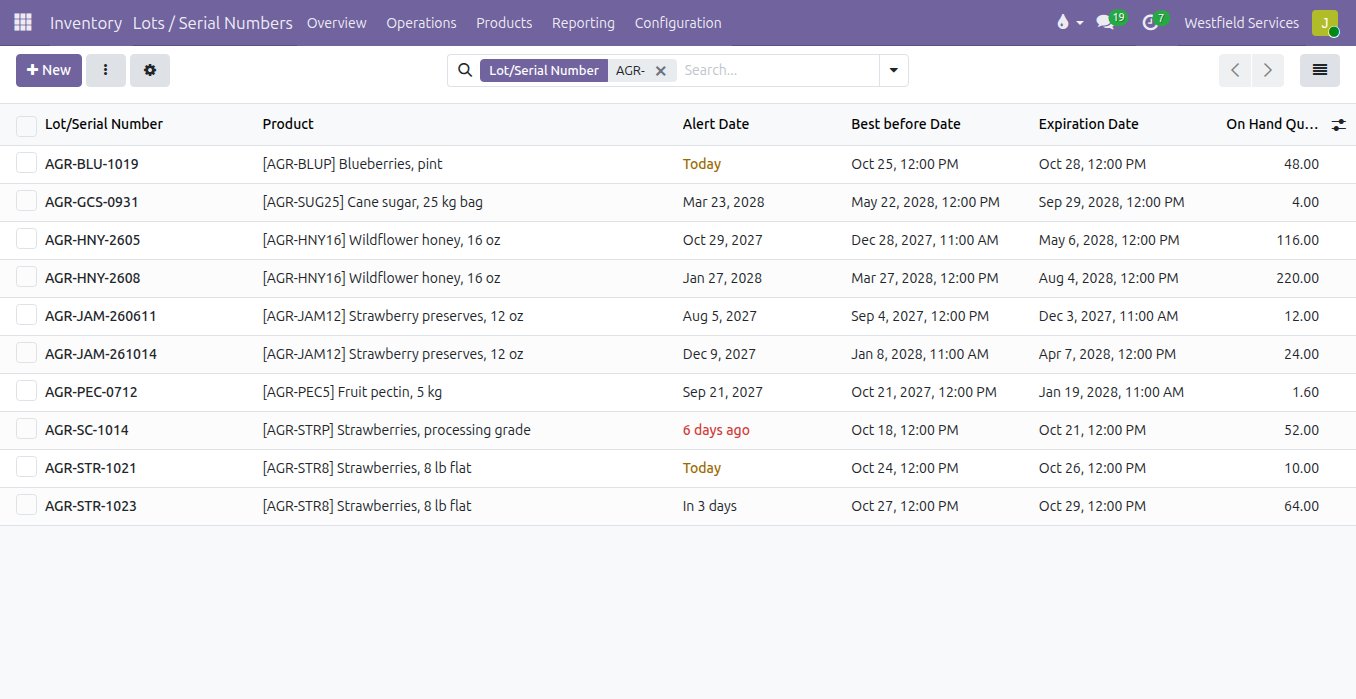
Give every crate, bag and jar a lot number and a date, so the oldest stock leaves first and nothing expires at the back of the cooler.
Fresh berries have days, pectin has months and honey has years, and on a busy day the newest pallet is the one that gets picked. Each product is tracked by lot with its own shelf life, so a lot gets its best-before, removal and expiry dates the moment it is received or made, and picking takes the first-expiring lot first. Lots close to their date are flagged in the list, while there is still time to send them to a market or into a batch.
- Lot numbers on receipts and on finished batches
- Best-before and expiry dates worked out from the product
- First-expiring stock picked first
- Alerts on lots that are close to their date
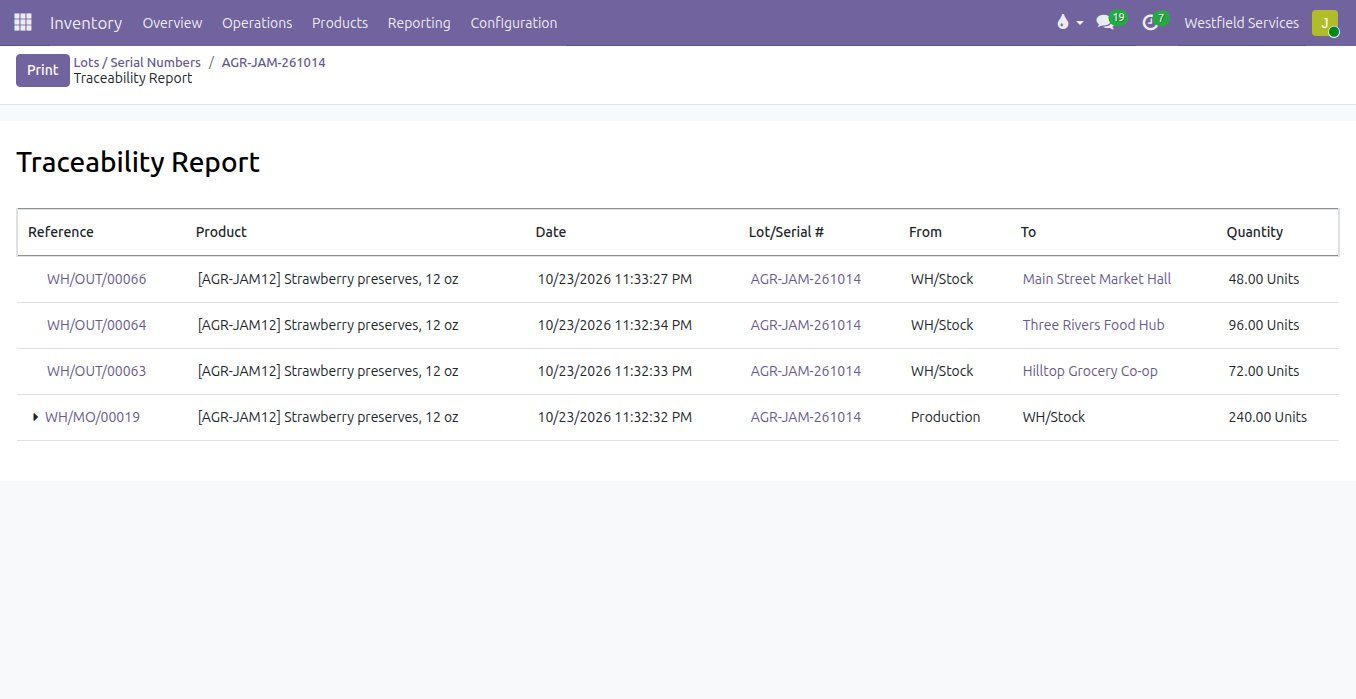
Answer a recall in minutes with one search that shows which batch used the fruit and which customers received the jars.
When a supplier calls about a lot, or a customer reports a problem, the questions are always the same: what else did it go into, and who has it. Because every move carries its lot, the traceability report for a batch lists the deliveries it went out on and the production order that made it, with the ingredient lots one click further down, and from the ingredient's side it shows every batch that used it. The customer list for the recall notice is already there.
- From a finished jar back to the ingredient lots
- From an ingredient forward to every customer
- Delivery references and quantities per customer
- Checks on incoming produce recorded against the lot
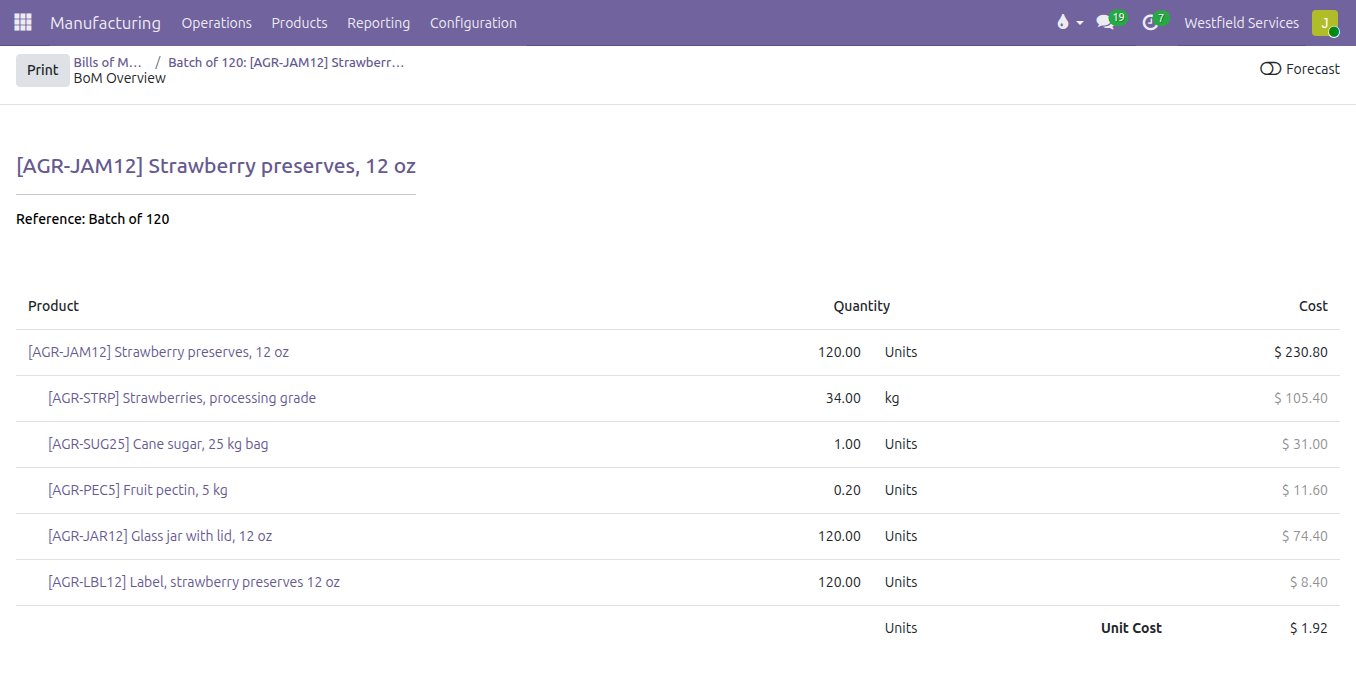
Write each recipe once as a bill of materials, and every batch uses the right fruit, sugar, jars and labels and comes out with a cost per jar.
A batch of preserves is a recipe scaled up: so many kilos of fruit, a bag of sugar, pectin, jars, lids and labels. Kept in a binder, it never tells you what a jar costs or that you are about to run out of lids. As a bill of materials, a batch draws the ingredients from stock by lot, gives the finished jars their own lot and expiry date, and rolls the ingredient prices into a unit cost. Packing fresh produce into flats, clamshells or cases works the same way.
- Recipes scaled to the size of the batch
- Ingredient lots recorded on each batch
- The finished lot and its expiry date set when the batch is made
- A cost per jar or per case from current prices
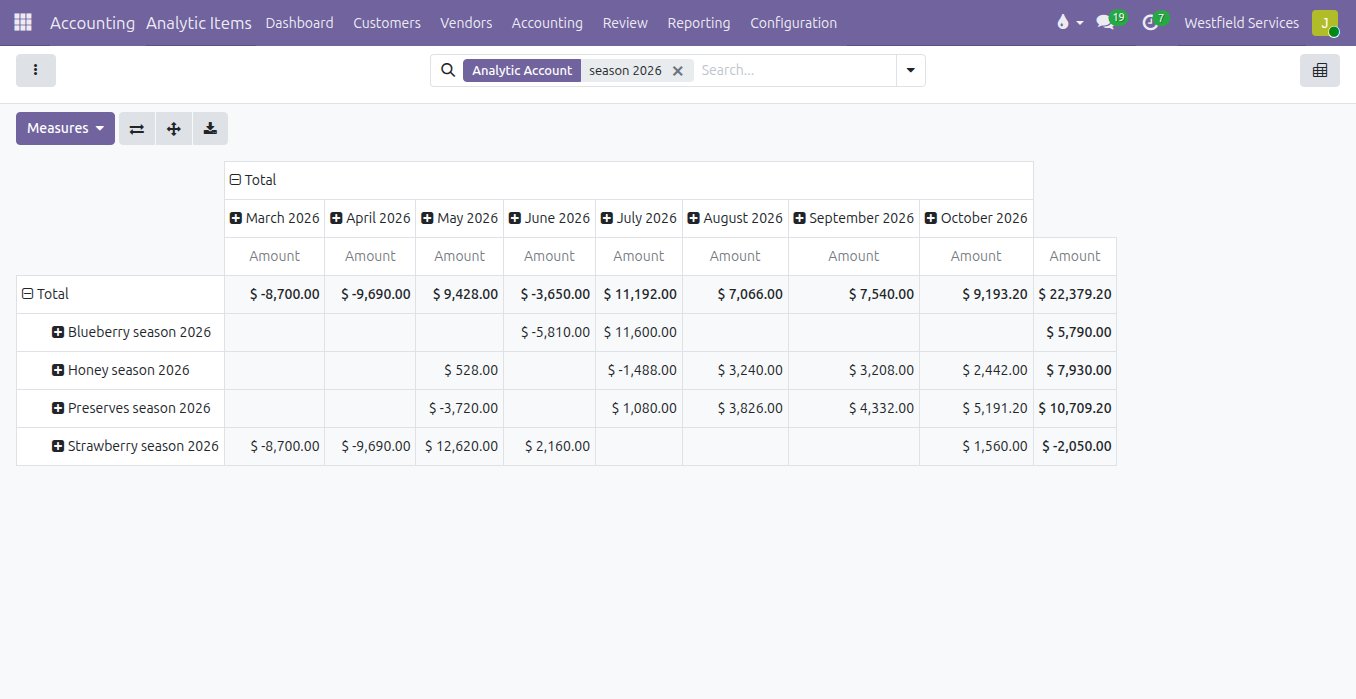
See what each crop has earned and spent month by month, and plan the off-season around figures instead of a feeling.
Picking crews and packaging are paid in spring, the money arrives over summer and autumn, and the year is usually judged once it is over. Tag each bill and invoice with the crop it belongs to and the books show the season as it happens: harvest crews against strawberries, jars against preserves, every sale against its crop. Invoices carry their due dates from each customer's terms, and with the bank feed imported automatically, what has been paid and what is still to come stays current.
- Revenue and cost for each crop, by month
- Crop margins while the season is still running
- Customer invoices with due dates from their terms
- Bank lines matched to invoices and bills
The apps and add-ons a grower or food maker starts with.
Odoo Community at the centre, open-source modules from the Odoo Community Association for receiving and cash flow, and our own bank feed.
Inventory with lots and expiry dates
Lots on every receipt and batch, best-before and expiry dates, and the first-expiring stock picked first.
Odoo appManufacturing
Recipes and packing as bills of materials, with ingredient lots used up and a cost per unit.
Odoo appSales
Orders from grocers, co-ops and food hubs on their own pricelists, delivered and invoiced from one record.
Purchase
Fruit, ingredients and packaging bought from growers and suppliers and received by lot.
Accounting
Invoices and bills tagged by crop, so the season's margin is in the books as it happens.
OCA moduleQuality control
Checks on incoming produce and on finished batches, recorded against the lot.
Expiry date required at receiving
For products that carry the supplier's own date, a receipt cannot be validated until the date on the label is entered.
Cash flow forecast
Month by month, the money due in and out from invoices and bills, plus planned lines for the quiet months.
Adomi Bank Sync
Bank and card transactions imported automatically, ready to match to invoices and bills.
Related
Inventory
Accurate stock in every location, reordering that runs itself, lots you can trace.
See inventoryQuality control
Inspections tied to every receipt and production run, so defects are caught before shipping.
See quality controlManufacturing
The bill of materials knows the lead time; the ship date is calculated.
See manufacturingAccounting
Bank feeds matched automatically, bills read for you, books your accountant can work in.
See accountingOther industries we set up
Software as a Service
Billing, books, logins, support and email behind your product, set up and connected.
See how we helpConstruction
Estimates, job costing, subcontractors, progress billing.
See how we helpManufacturing
Real lead times, known costs before you build, dates you can keep.
See how we helpWholesale and distribution
Purchasing, warehouses, deliveries, invoicing.
See how we helpSchedule a demo.
Tell us a little about your business and what you would like to see. We walk you through how this would work for a company like yours, at a time that suits you. The first conversation is free.