Get one team to plan, build, connect and run the systems your company has outgrown.
Your tools arrived one at a time: an accounting app, a spreadsheet that became a database, an inbox, a calendar and one person's memory, and now the same information is rewritten from one to the next. We map how the work really moves, set up the apps around it, connect what you keep, move your history across, and run it for you or hand it to your team, one phase at a time.
- A written plan you can act on with us or without us
- Every phase agreed before it starts, and you can stop after any of them
- Your code and your data are yours to keep
You get a written plan for what to keep, change and skip before you spend anything on software.
Nobody has written down how an order actually gets from the phone call to the invoice, so every software decision gets made on its own, and the last one did not fix the problem either. We spend two to three weeks with the people doing the work, draw how orders, jobs, money and information really move, list every application and spreadsheet in use and what depends on it, and hand you a plan in plain language: keep, connect, replace or retire, for each system, in phases sized so each one pays for itself. The plan is yours to keep and to take elsewhere, and we tell you when the right answer is to change less than you expected.
- A process map drawn from watching the work, not from the org chart
- Every application and spreadsheet listed, with who owns it and what depends on it
- Keep, connect, replace or retire, with the reasons written down
- Phases with rough effort and sequence, so you can plan budget and staffing
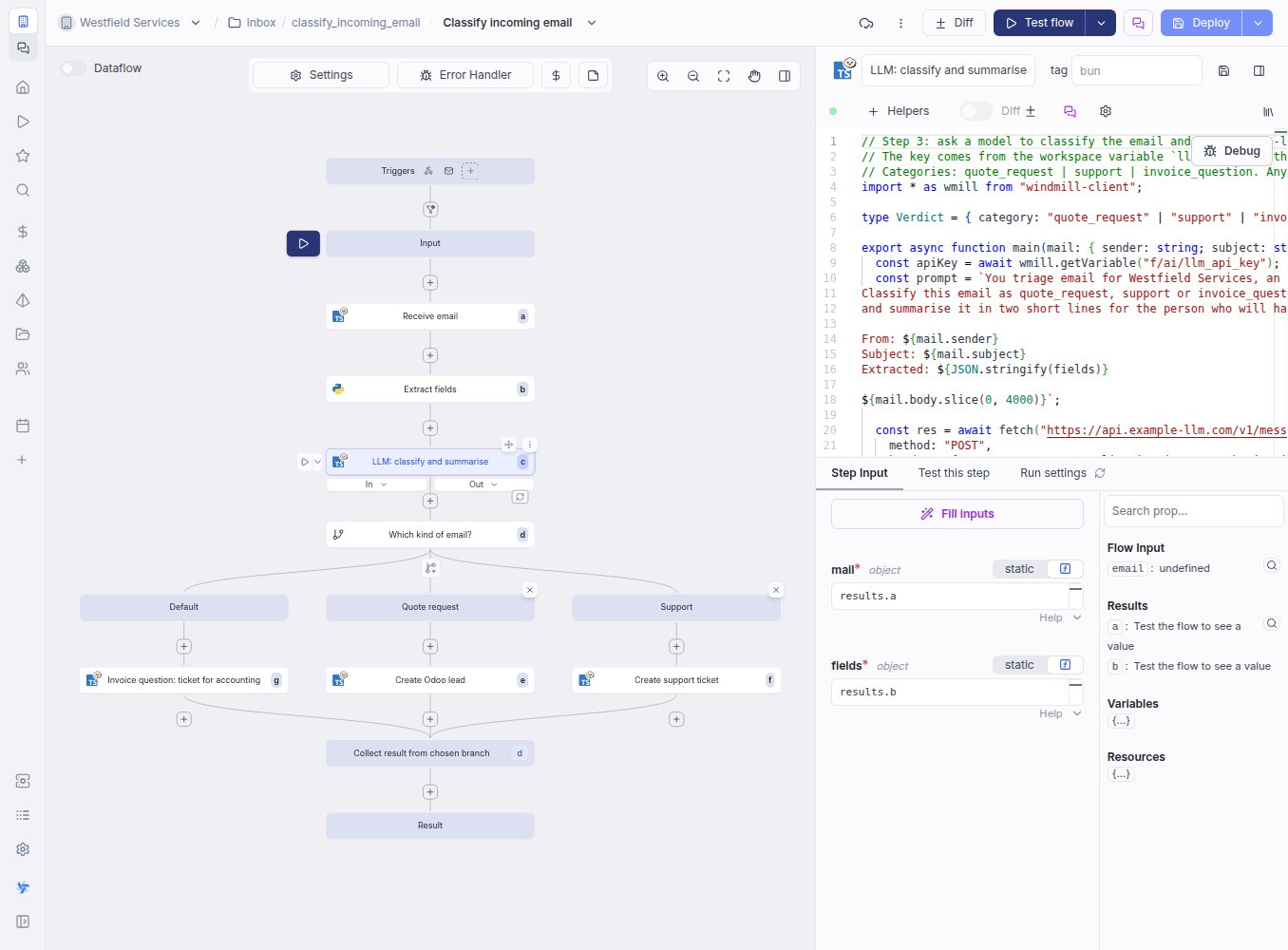
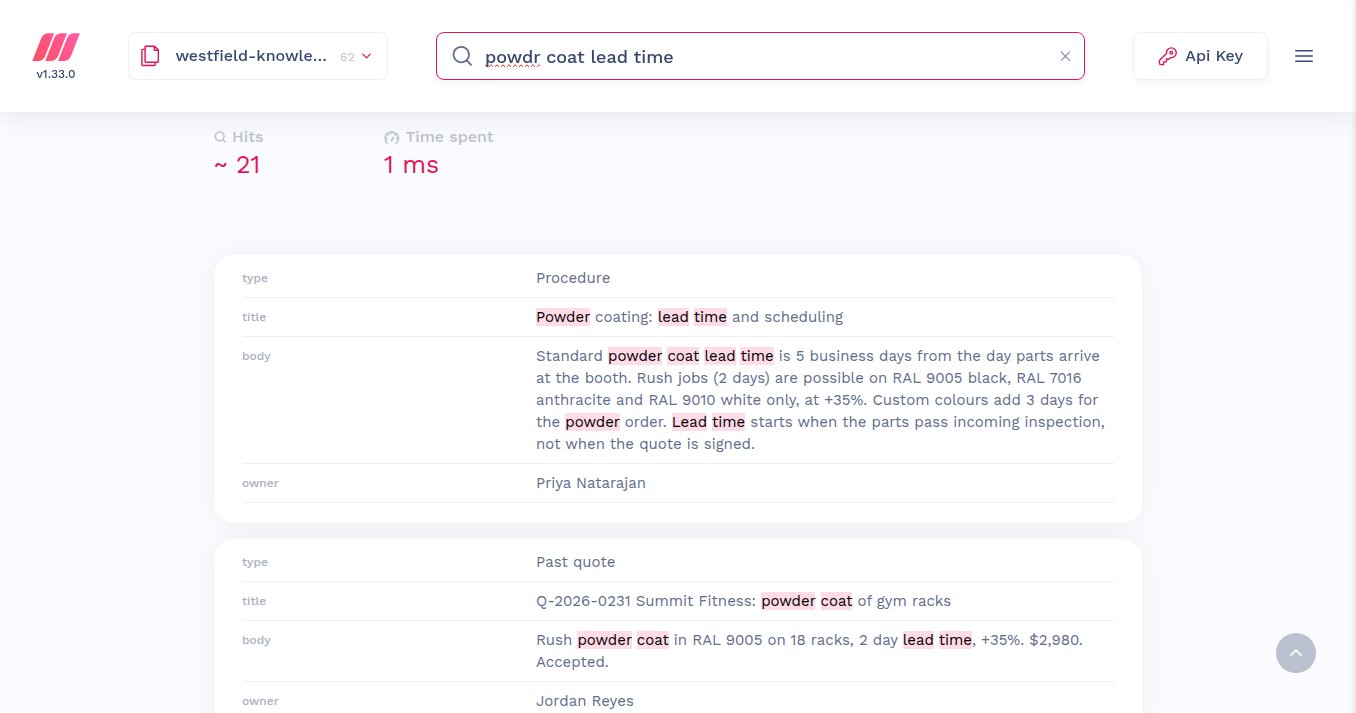
Your team can ask questions of your own records and hand over the routine work, within limits you set.
The chatbot you tried made things up, and the hours spent finding and retyping information did not go anywhere. We connect a model to the systems that already hold the answer: a question in team chat is answered from your invoices, manuals and tickets with the source shown, a queue of documents is read and matched with the exceptions left for a person, and an assistant drafts the quote or files the expense through small, audited tools. Every action is logged, work waits for approval wherever a mistake would cost money, and your data is never used to train anything. Where you want it, the model runs on hardware you control.
- Answers from your own documents, with the source shown
- Approval steps wherever a mistake would cost money
- Every model action logged: what it read, what it did, who approved it
- Hosted models, open models on your own hardware, or both
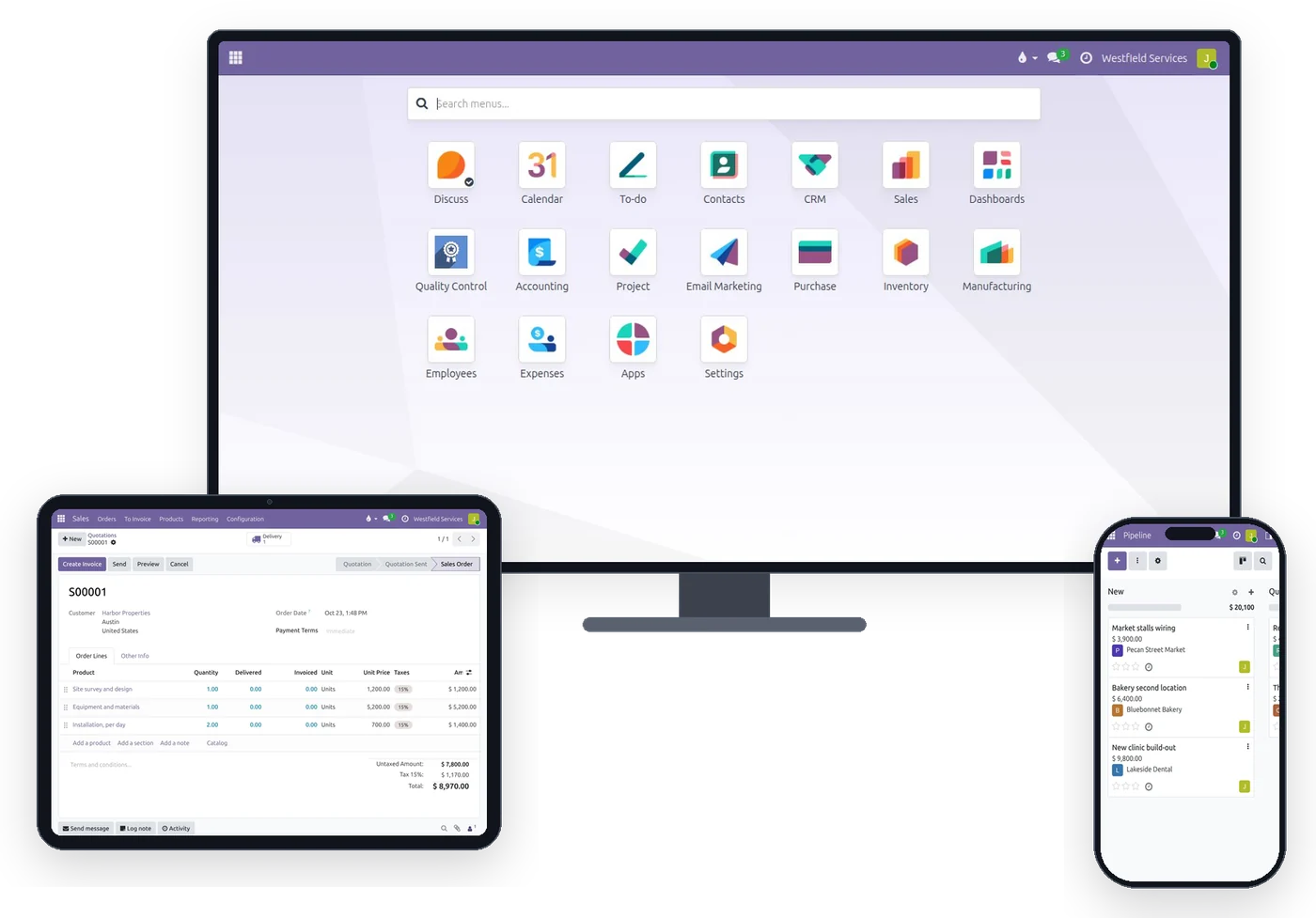
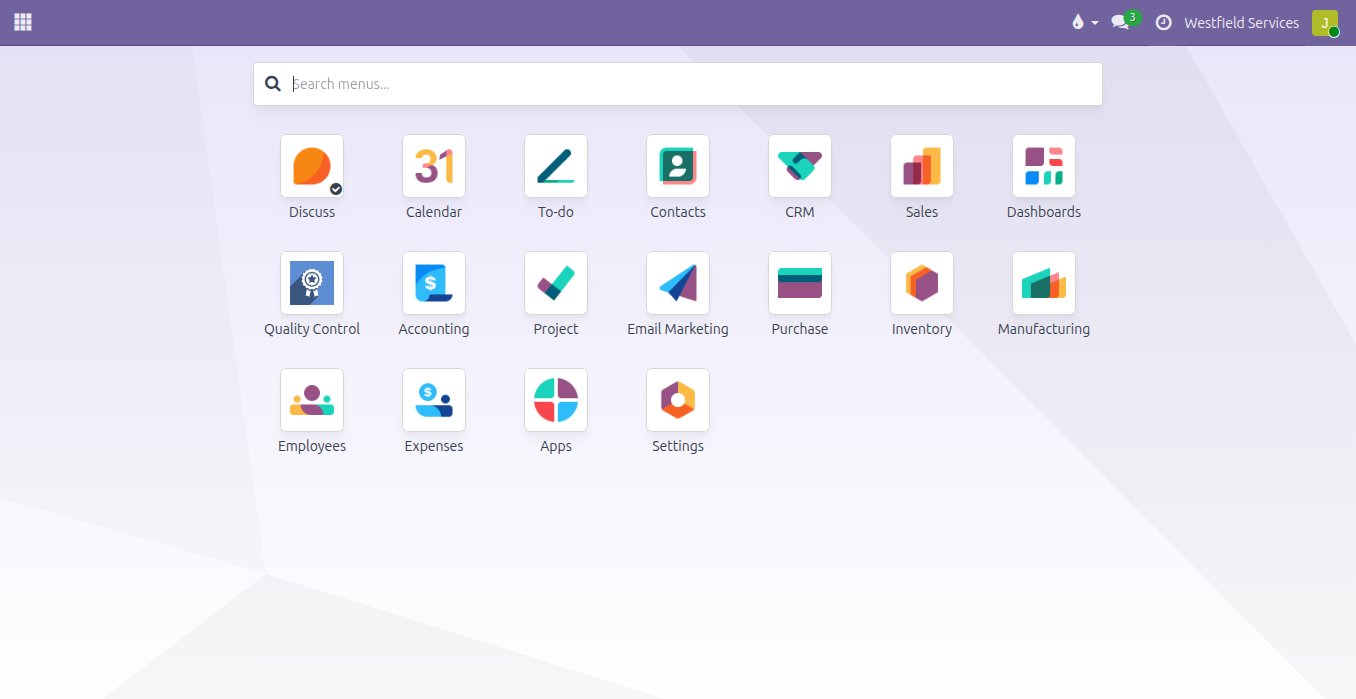
Quotes, stock, projects and the books run together, set up around how your team already works.
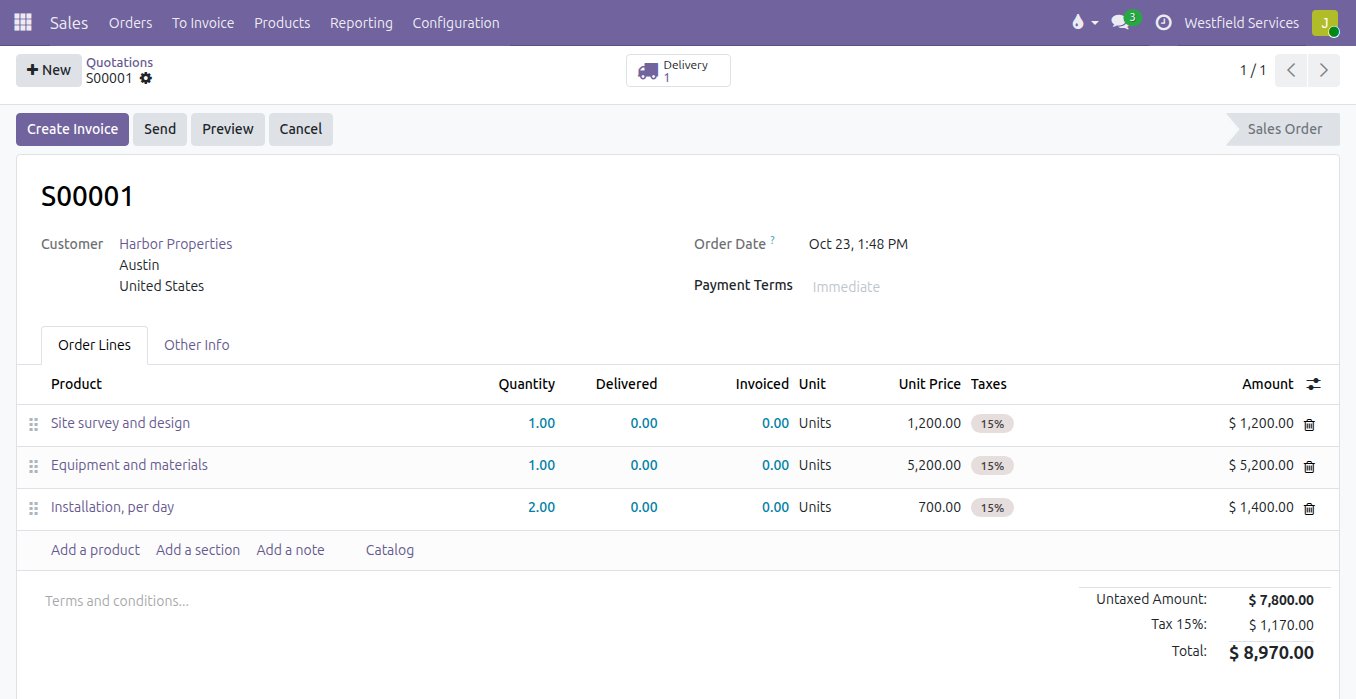
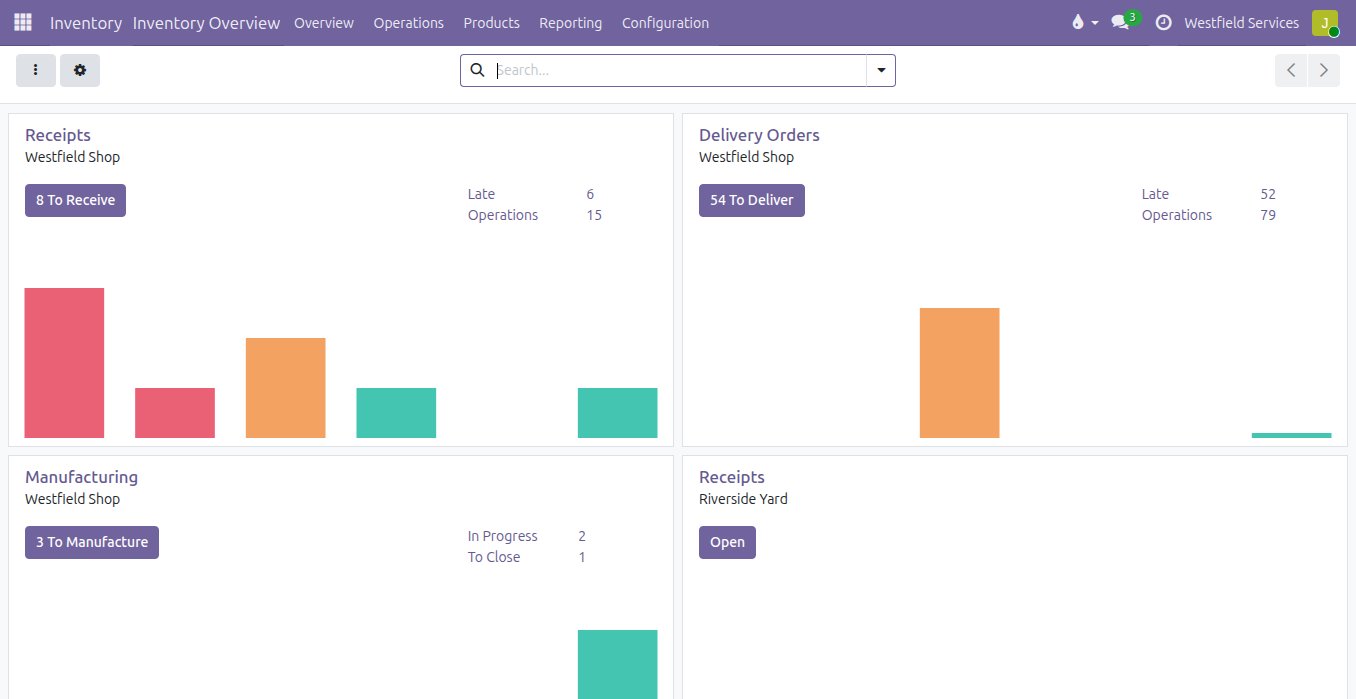
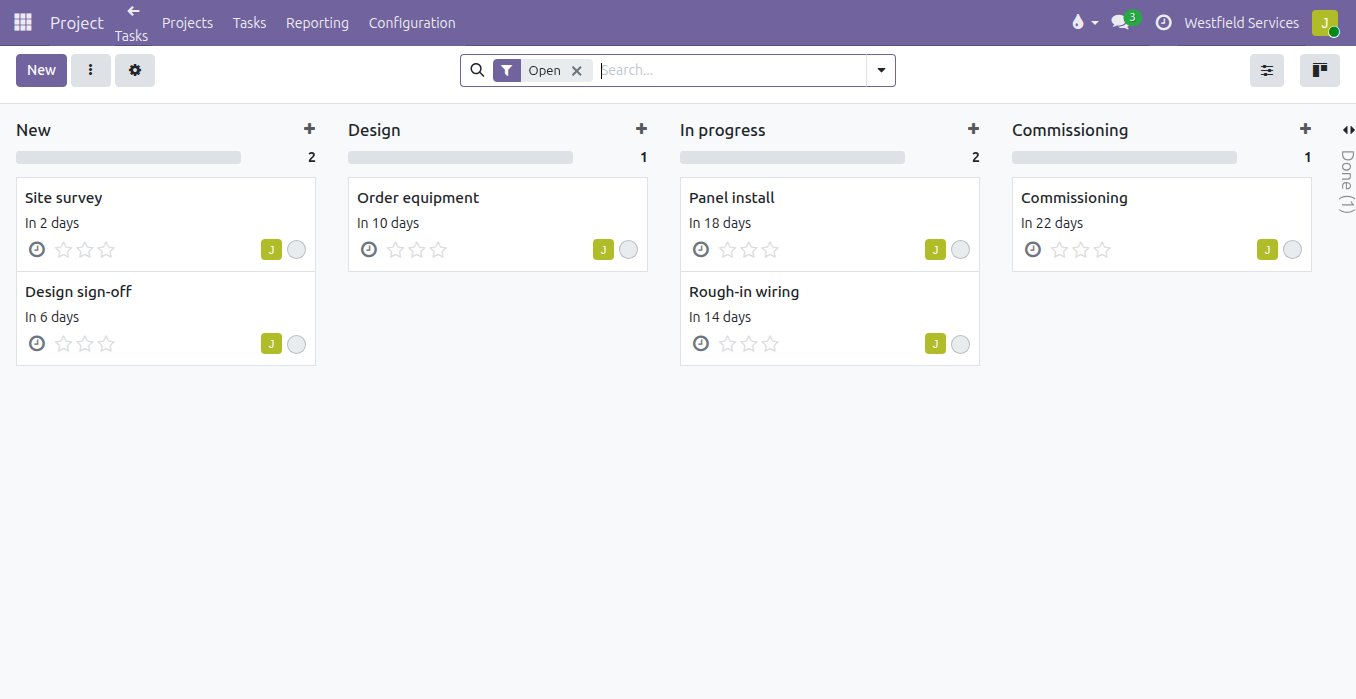
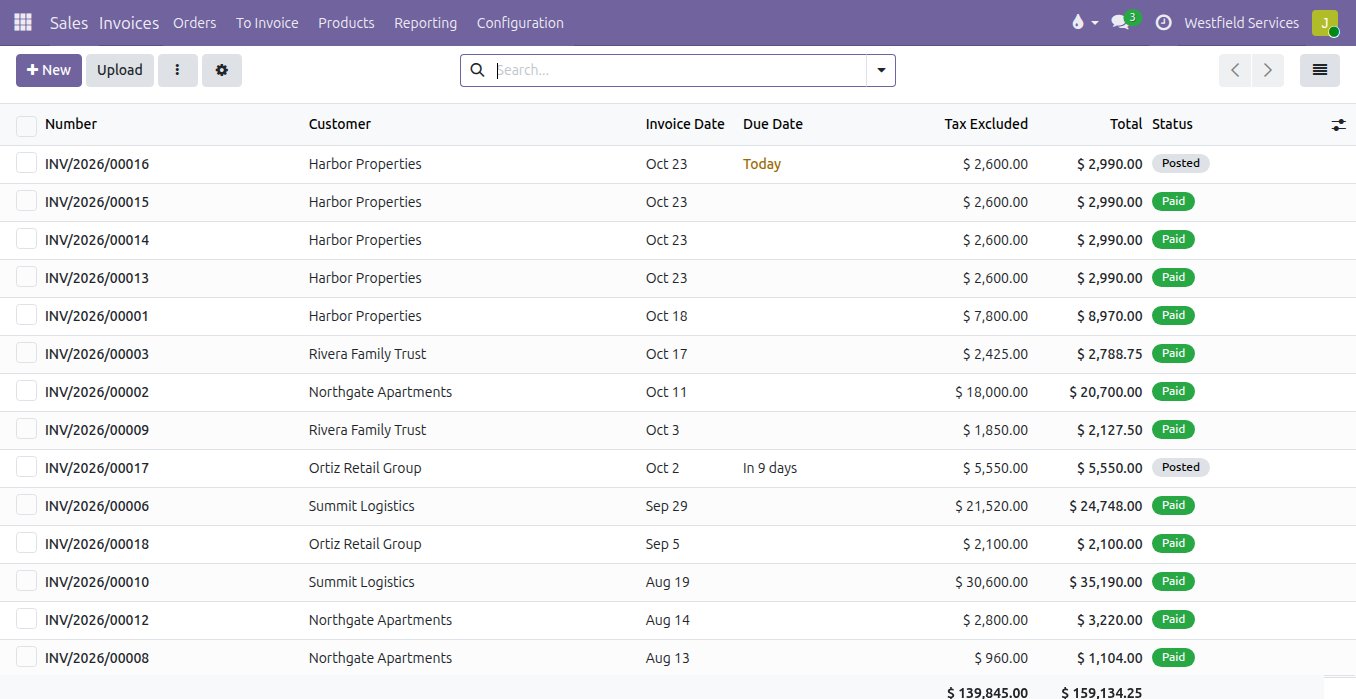
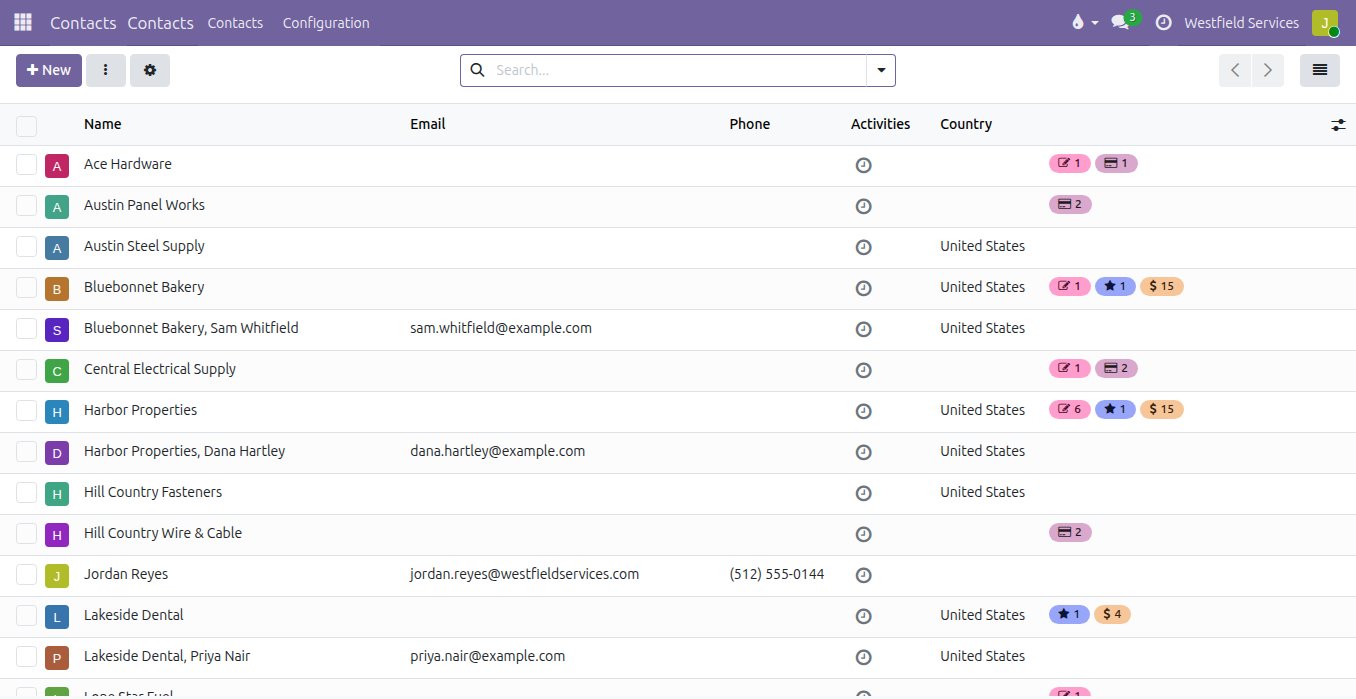
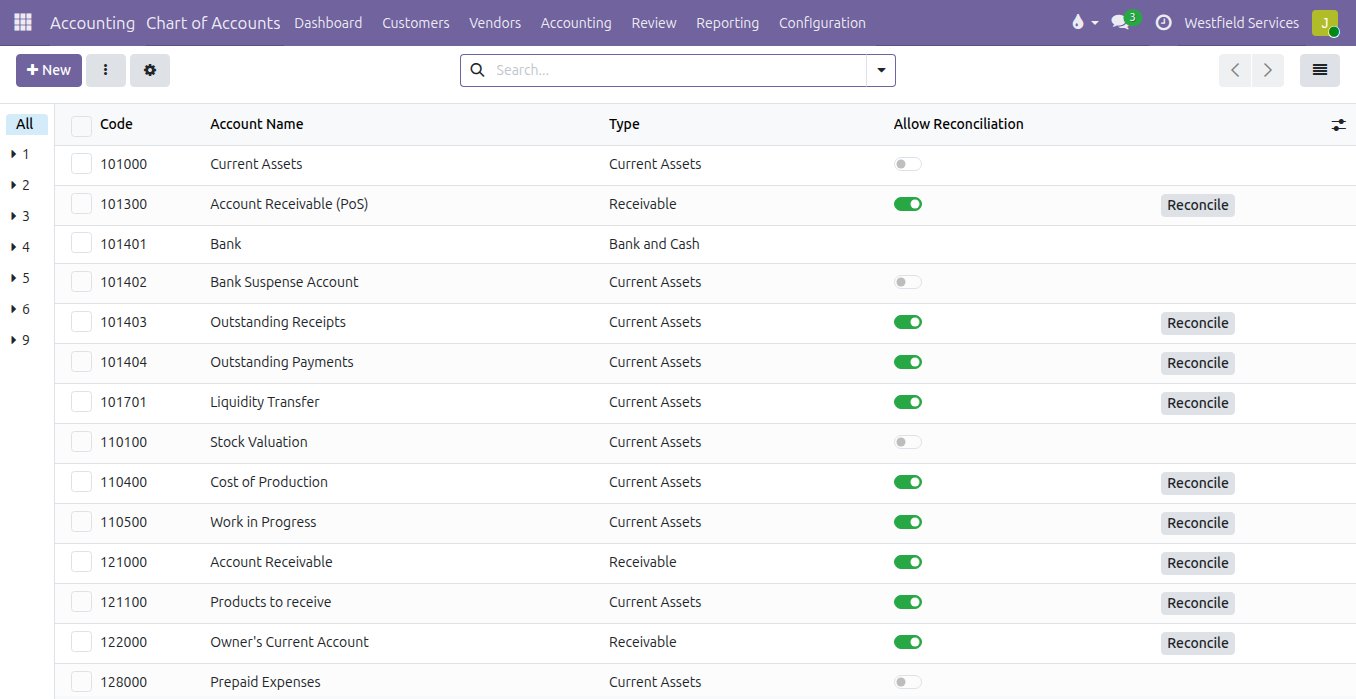
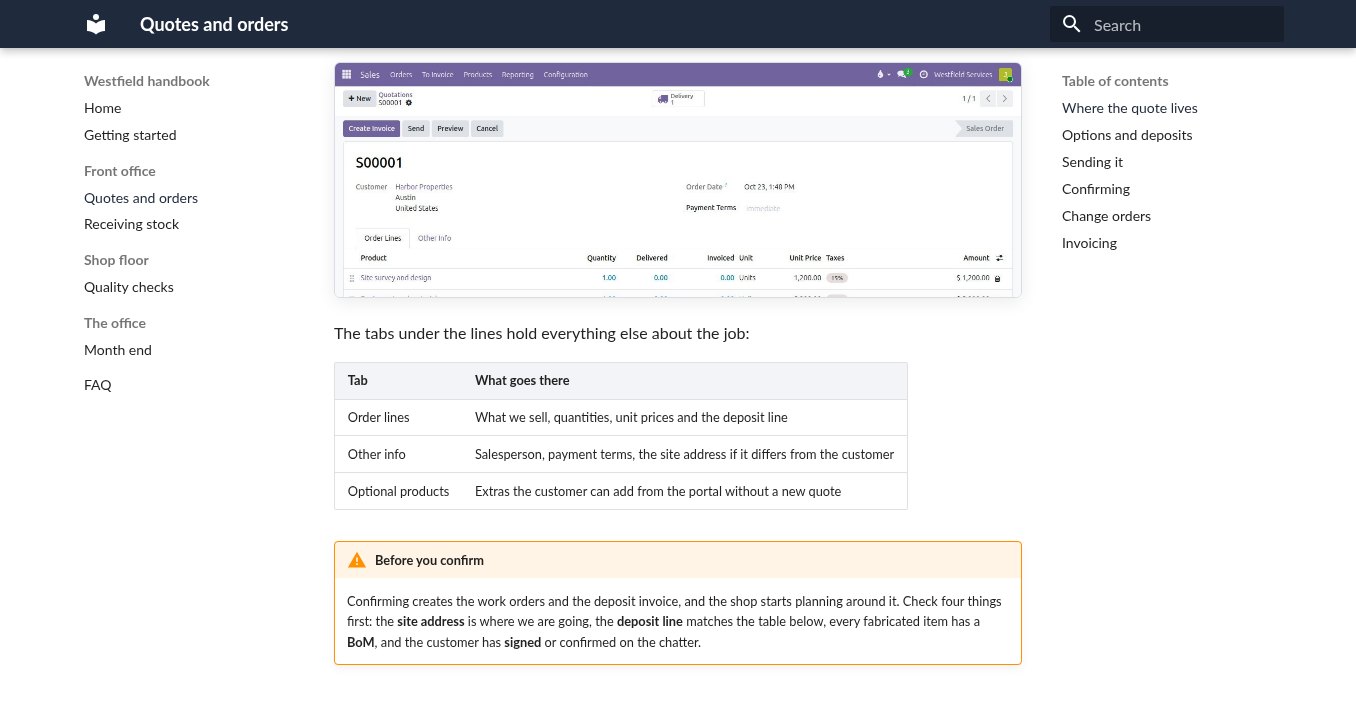
The quote is in one app, the stock in a spreadsheet, the jobs on a whiteboard and the books with the accountant, and the same customer is typed into each of them. We set up the operational core, from the pipeline and quoting through orders, stock, purchasing, projects and timesheets to invoicing and the books, configured around the process we mapped with you rather than the defaults, and connected to the accounting, storefront, shipping and payment tools you keep. We are an Odoo partner, and we configure first: custom code is written only when the standard product genuinely cannot do the job. Go-lives happen in phases a single team can absorb, on a calendar you choose.
- Pipeline, quotes, orders, stock, projects and invoices in one place
- Pricing rules and approvals that match how you actually sell
- Customers, products, open orders and balances brought across and checked
- Training for each role and a clear owner on your side before we step back
Keep the software you already use and stop rewriting the same information.
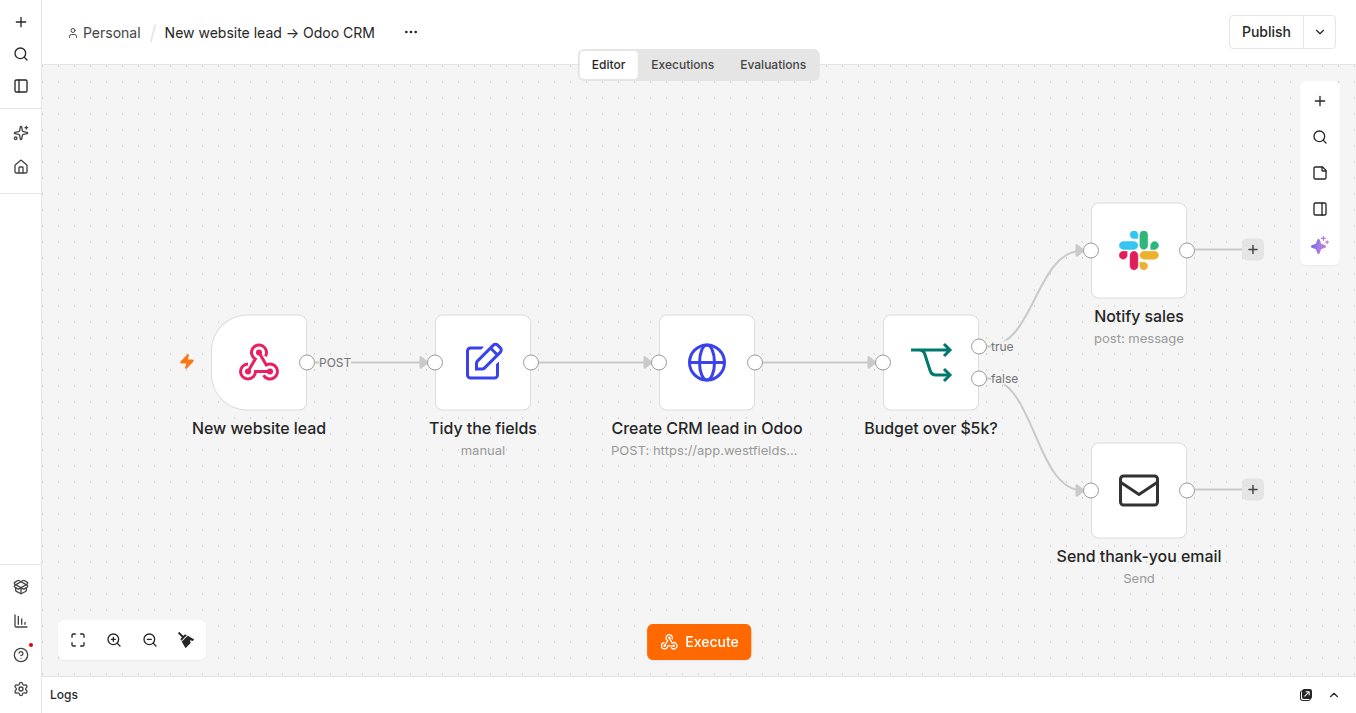
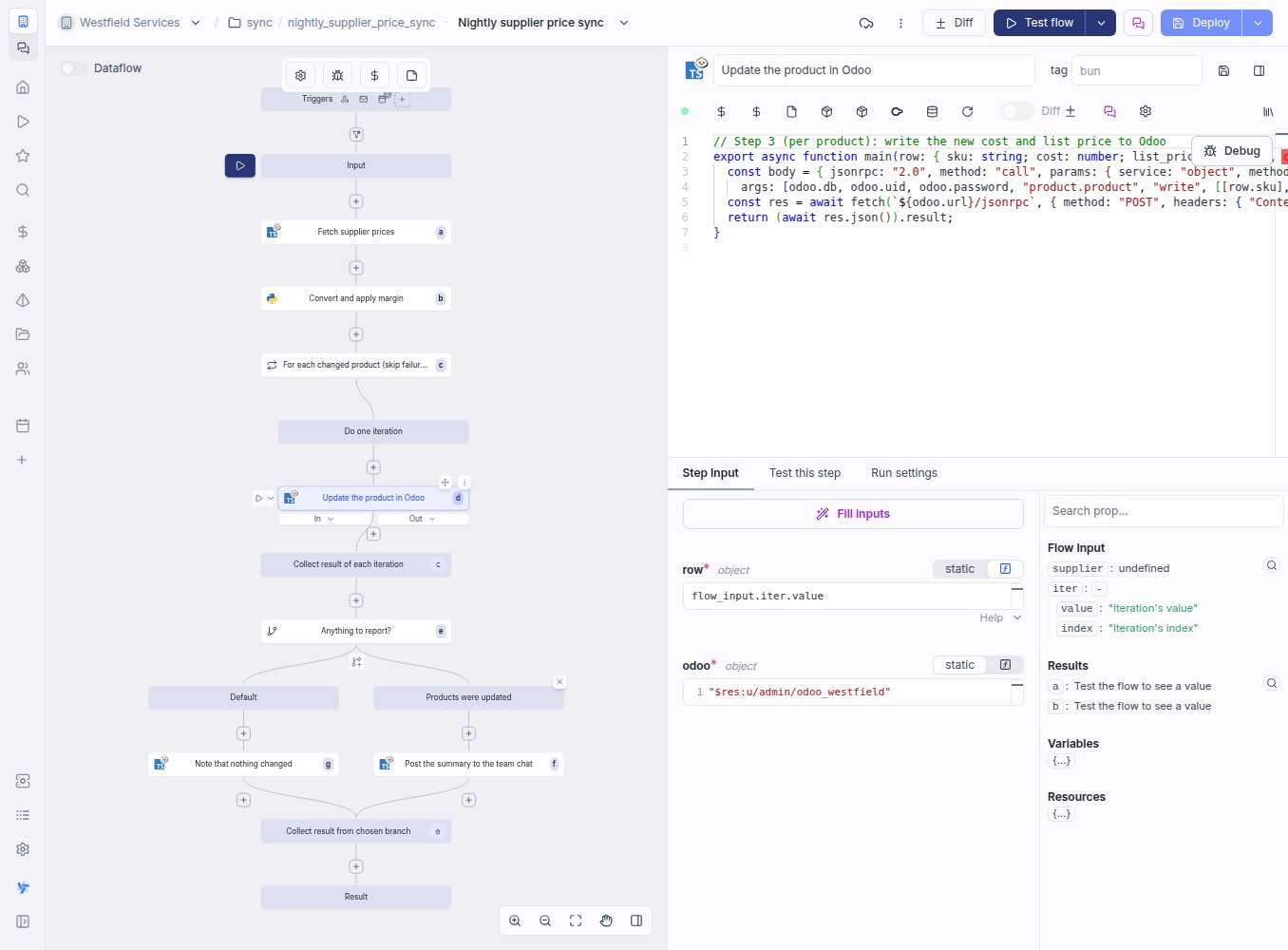
The order is typed into the shipping portal, the invoice copied into accounting, the new lead pasted into the mailing list, and when two of them disagree nobody knows which one is right. We pick one system of record for each kind of data and connect the rest to it, so each piece of information is entered once and flows where it needs to go: orders to fulfilment, shipping and invoicing, card payments and payouts matched to the invoice, tracking numbers back to the customer. Approvals and alerts go to the right person, every job reports success or failure somewhere someone will see it, and you get access to every automation we build. Nothing runs inside an account only we can open.
- One system of record for each kind of data, synced in one direction
- Orders, payments, shipping and tracking flowing without a hand-off
- Purchase requests, discounts and exceptions routed to the right person
- A failure is a message to a person, never a surprise
The owner, the floor and the accountant read the same numbers, from a dashboard that is always current.
The weekly report takes someone's Friday afternoon to assemble, two departments show different figures for the same thing, and the question that matters this week is not in any built-in report. We define each metric once, in writing, put your data on one reporting foundation and build on it: a live board for the people running the floor, a weekly summary for the owner sent automatically, clean exports for the accountant, and the ability to drill from any figure to the invoices behind it. Heavy queries run against a copy, so reporting never slows the systems people work in, and the dashboards and the data model are handed over for your own team to extend.
- Each metric defined once, agreed and written down
- Dashboards you can click through to the records behind a figure
- Reports sent by email or posted to chat on a schedule
- A reporting database separate from the systems people work in
Years of history come across with every total checked against the old system, so nothing is lost on the way.
Your data is the part of a systems change that has to be right before you switch: the same customer entered several ways, addresses in mixed formats, and balances nobody is quite sure of. We treat migration as its own project. We extract from the old systems and spreadsheets, clean and reshape the records, load them, and check every count and total against the old system before you switch, so you go live with complete history and numbers you can trust.
- Customers, products, orders and balances moved and checked
- Duplicates merged, with rules in place so they do not come back
- A planned switchover, with the old system kept until you sign off
- Pipelines handed over as code, with documentation
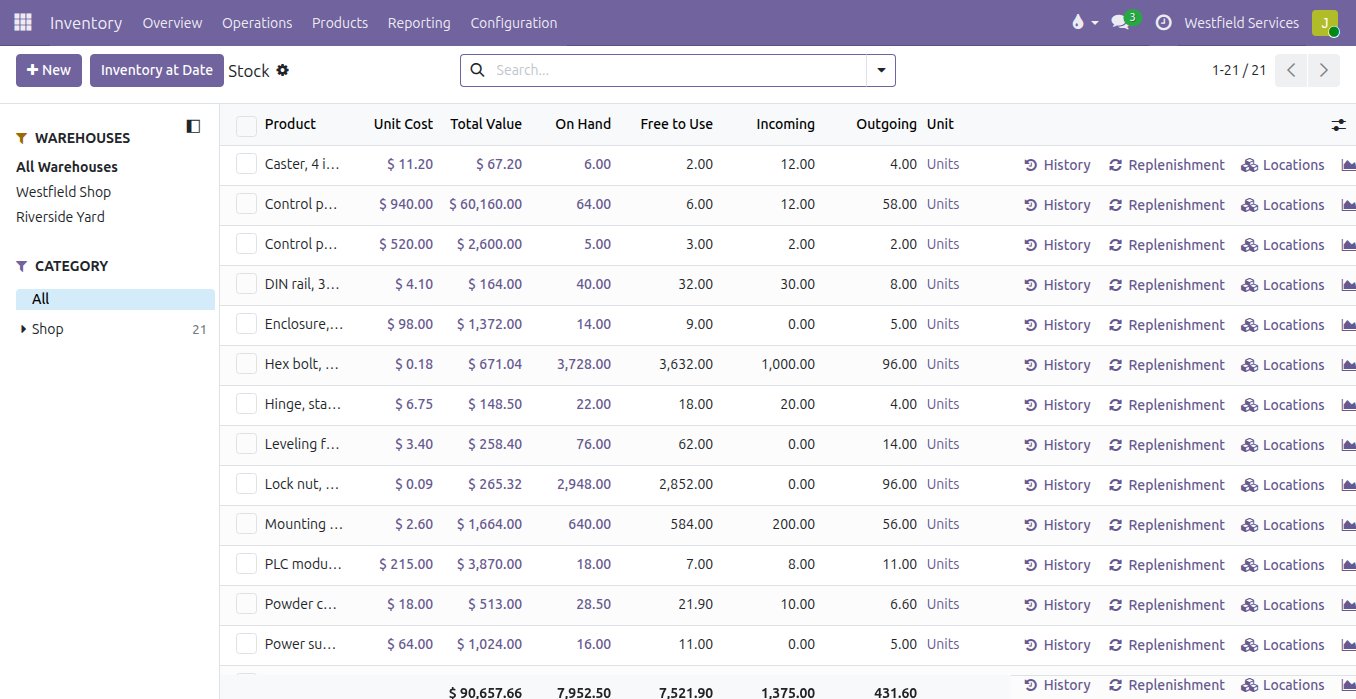
We build portals and workflows tailored to the way your business actually works.
Some work never fits a standard screen: customers who want to check an order without calling, suppliers who need to confirm a delivery, an approval that lives in someone's inbox, a warehouse step done with a scanner. We build portals and workflows around your process, on top of the system you already run. Customers, suppliers and partners sign in to a portal branded as yours that reads live from your records. Your team gets screens and approval flows that follow the steps they really take, and every result is written straight back to your system. The source code and deployment materials are yours when the work is done.
- Customer, supplier and partner portals, branded as yours
- Approval and scheduling flows that follow your process
- Screens built for one role, on the device they use
- Source code handed over, so any qualified team can maintain it
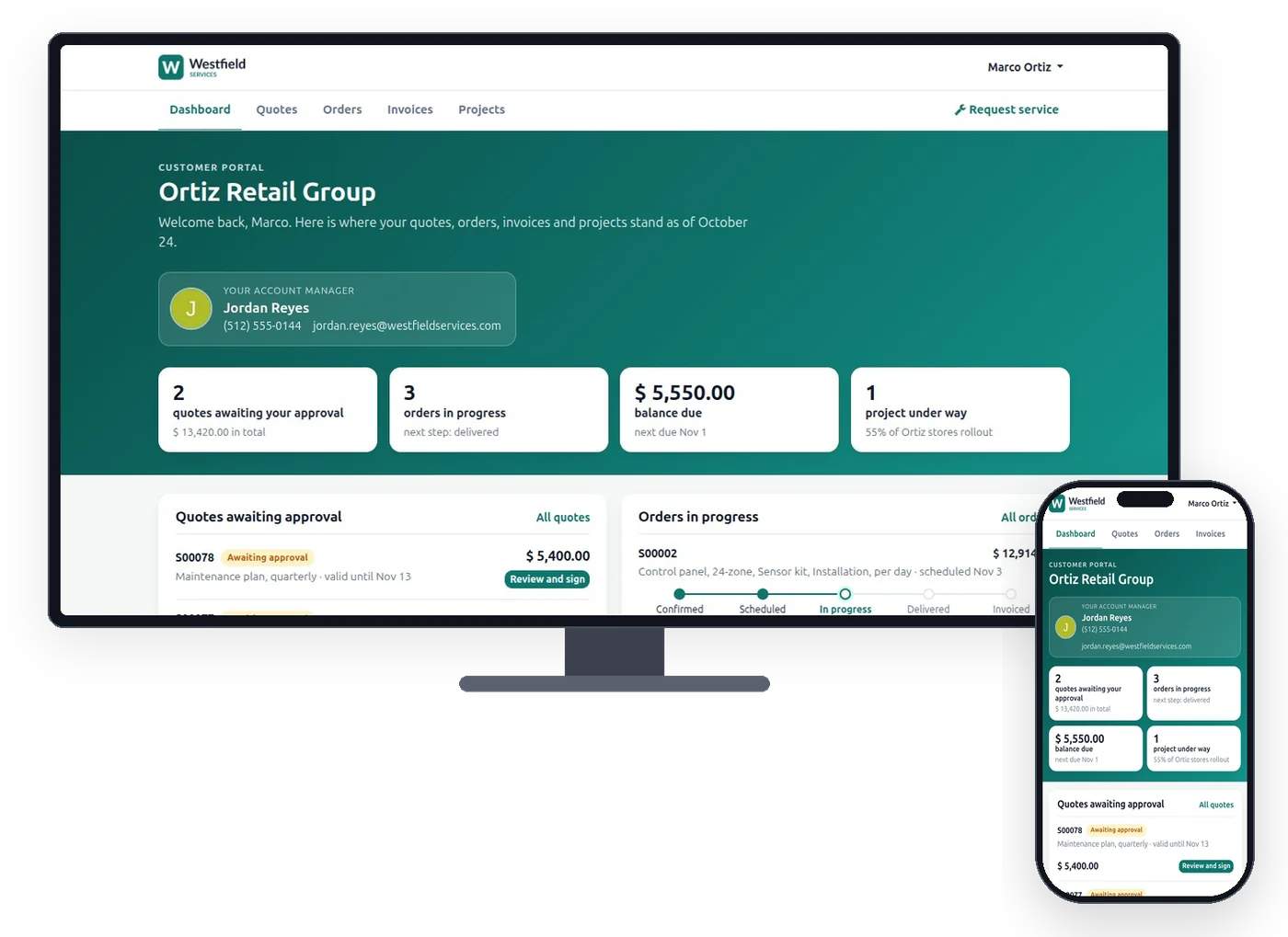
Run your systems on Kubernetes, so they grow with your business on whichever cloud suits you.
We package everything we deploy as containers and run it on Kubernetes, so the same setup works on AWS, Microsoft Azure, Google Cloud, DigitalOcean or your own servers. Kubernetes adds capacity as the load grows: more users, more orders and busier seasons are handled by adding servers, not by rebuilding the system. Each part, from the website to background jobs, scales on its own, and a failed server is replaced without anyone noticing. We handle the operations: monitoring and alerts, backups kept off site and tested by restoring them, security patches and upgrades tried on a staging copy first. Every change to the setup is kept in version control, so it is documented and can be rebuilt. If you would rather run it yourselves, we train your team and hand over the runbooks.
- Kubernetes on AWS, Azure, Google Cloud, DigitalOcean or your own servers
- Scales out as users, orders and data grow
- Monitoring, alerts and backups that are restored to prove they work
- Upgrades tried on a staging copy first, with every change in version control
What it is for
The situations that bring companies to us.
Choosing a platform
The process mapped before the software is picked, so the platform is chosen to fit the business and not the other way round.
Outgrown tools
An accounting app, spreadsheets and an inbox replaced by software your team trusts, in phases you can absorb.
Systems that do not agree
The software you keep connected so information is entered once and flows where it is needed.
Reports built by hand
Dashboards and scheduled reports on numbers everyone agrees on, with the records a click away.
A change of systems
History moved, checked against the old system and kept clean afterwards.
A rising platform bill
The same systems on plain compute in your own account, run by us or by your team.
Related
Sales
Quotes, orders, deliveries and invoices from one record, so nothing is typed twice.
See salesAccounting
Bank feeds matched automatically, bills read for you, books your accountant can work in.
See accountingIntegrations
The software you already use, connected so information is entered once.
See integrationsTraining and documentation
Video courses by role and a handbook of your own procedures, delivered with the software.
See training and documentationSchedule a demo.
Tell us a little about your business and what you would like to see. We walk you through how this would work for a company like yours, at a time that suits you. The first conversation is free.